
The Dance of Victory & Ancestors
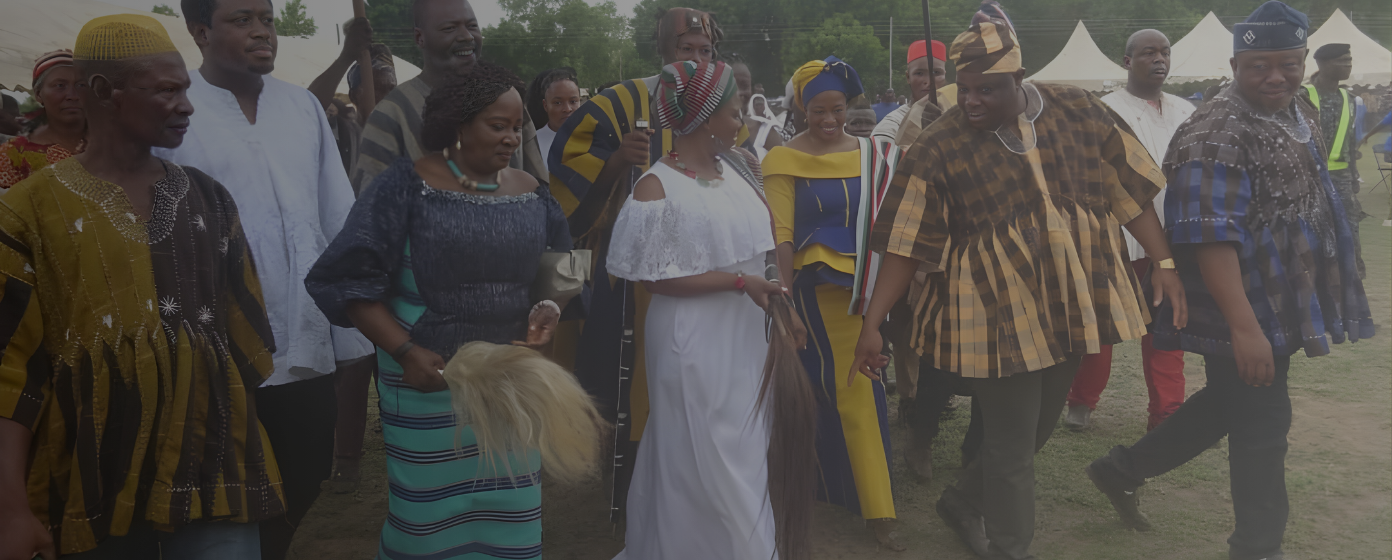
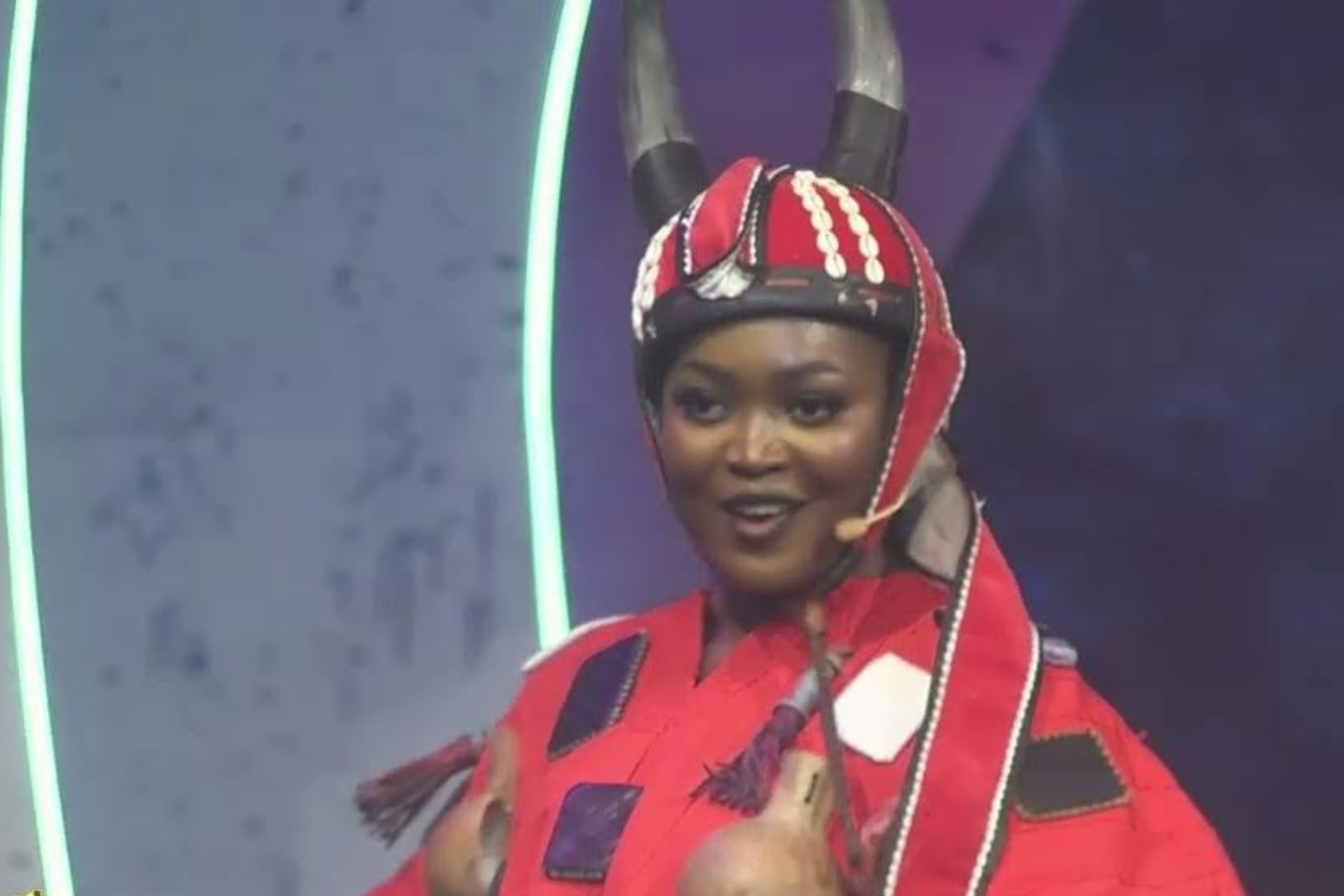
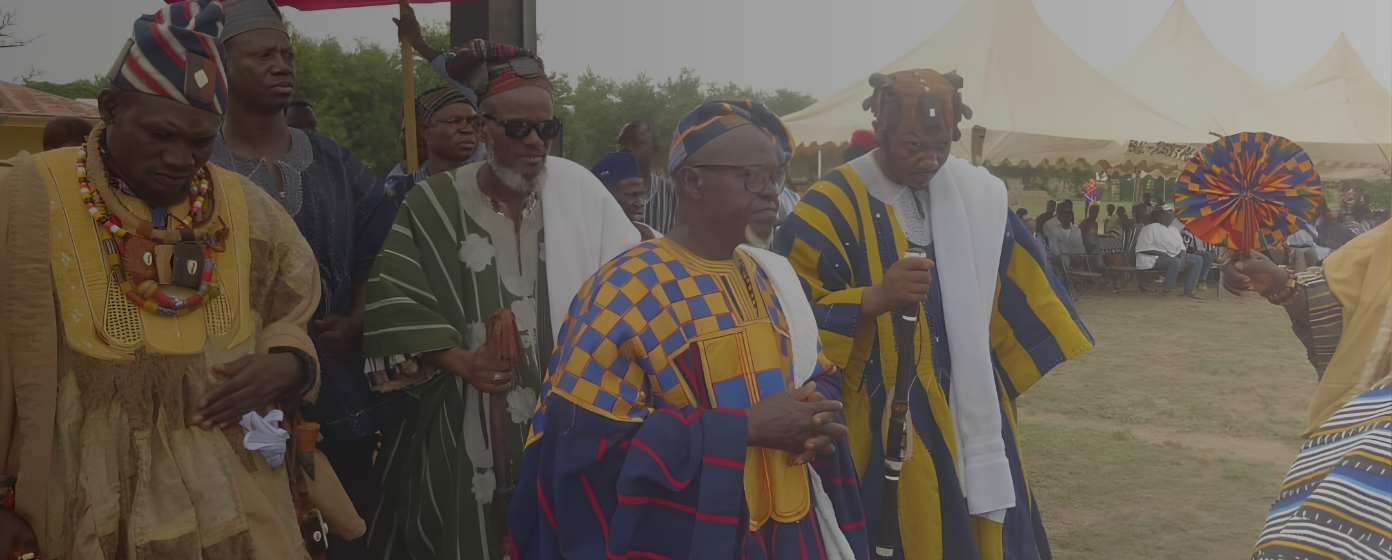
Every April, Sankana comes alive with the Kalibi Festival, a vibrant cultural ceremony that commemorates the town’s historic victories over slave raiders—first in 1887 against Barbatu and the Wala, and again in 1896 against Samori’s son, Sankye Mori. A heartfelt festival that both honors resilience and strengthens communal identity.Every April, Sankana bursts into life with the Kalibi Festival—a powerful blend of history, dance, and ancestral reverence. This festival honors the town’s legendary resistance against slave raiders in 1887 and 1896, reaffirming Sankana’s identity as “Saana Nkana”—the hardened Song people. Traditional chiefs gather in full regalia for a dramatic durbar, while war dances and drumming bring battles of the past vividly to life. Elders offer libations and prayers, seeking blessings for health, harvest, and communal harmony. The air fills with the aroma of pito and stews, shared in communal bowls, while artisans demonstrate weaving, pottery, and wood-carving at a lively crafts fair. Kalibi is both a living history lesson and a jubilant family reunion, inviting locals and diaspora alike to reconnect with roots, resilience, and the rhythms of Sankana.
Highlights:
Durbar of chiefs in full regalia
Traditional dances and drumming
Communal feasting, sharing food & drinks, and blessing rituals.
Dances performed: Dugu, Bawaa, Dumba (source mentions dances in region—common across Sankana events)
Significance:
Symbol of historical pride, unity, and resilience
Community asks ancestors for health and prosperity
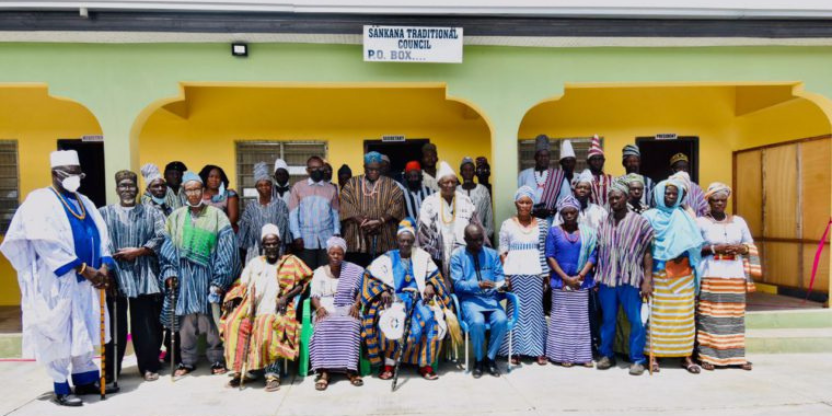
While not annual festivals, these events are central to Sankana’s cultural calendar and highly photogenic:
| Ceremony | Description | Timing / Frequency |
|---|---|---|
| Traditional Marriage Rites | Multi-day celebration with libations, drumming, gift exchanges and community feasts. | Scheduled by families year-round |
| Naming / Birth Ceremonies | Infant naming, elder blessings—marked by libations, cloth presentations and communal meals. | Within a month of birth |
| Funeral Rites | Private but elaborate durbars, dances (Dugu, Bawaa, Dumba) and folklore performances. | On passing of community members |
Travel hassle-free within Bali,visit popular
attractions, or do water activities!
Discover the wonders that lie outside the walls of Da
Nang with these exciting tours of surrounding areas

Heartbeat of The Upper West Region Of Ghana
Destinations
Information