
If you’re coming from abroad:
Passport: Must be valid for at least 6 months beyond your intended stay.
Visa: Most travelers need a Ghanaian visa. Apply online or through your local Ghanaian embassy. ECOWAS nationals are exempt.
Vaccinations: A Yellow Fever vaccination certificate is mandatory. It’s also advisable to get vaccinated for Typhoid, Hepatitis A & B, and Malaria prophylaxis.
Port of Entry: Kotoka International Airport (Accra). From there, take a connecting flight to Wa Airport or travel by road (~12 hrs).
Currency: Exchange major currencies (USD, EUR, GBP) at forex bureaus in Accra or Wa. Use Ghana Cedi (GHS) for all local transactions.
If you’re already in Ghana:
From Accra or Kumasi: Board a bus or VIP coach to Wa (Upper West Region capital).
From Wa to Sankana:
Shared taxis or ‘trotros’ are available daily.
Journey time is ~25 minutes via the Wa–Jirapa road.
You can also rent a private vehicle for comfort and flexibility.
Tip: Always confirm local transport schedules—routes may shift during rainy seasons (May–October).
Within Sankana and nearby towns, transport is informal but active:
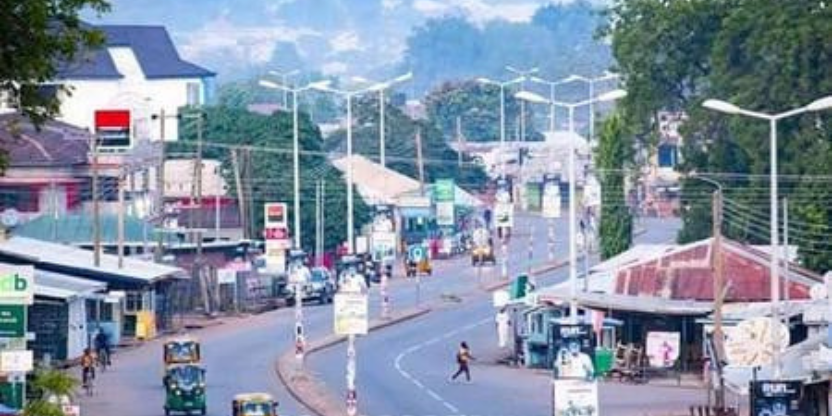
Mahama Camu (motor-tricycle taxis) – local, affordable and frequent
Shared taxis – great for nearby markets and villages
Walking – highly recommended for eco-sites and community interaction
Private hires – can be arranged from Wa or Nadowli for full-day tours
Roads are mostly unpaved—wear comfortable shoes and expect scenic, bumpy rides.
.
Yes, Sankana has:
A vibrant open market that runs every 6th day, where locals trade foodstuff, crafts, herbs, and clothing.
Small provision shops (mini marts) for basic supplies like water, toiletries, snacks, airtime.
For advanced needs (e.g., pharmaceuticals, banks, electronics), visit Wa township (~25 mins away).
Don’t leave without trying locally brewed pito or buying a handwoven smock!
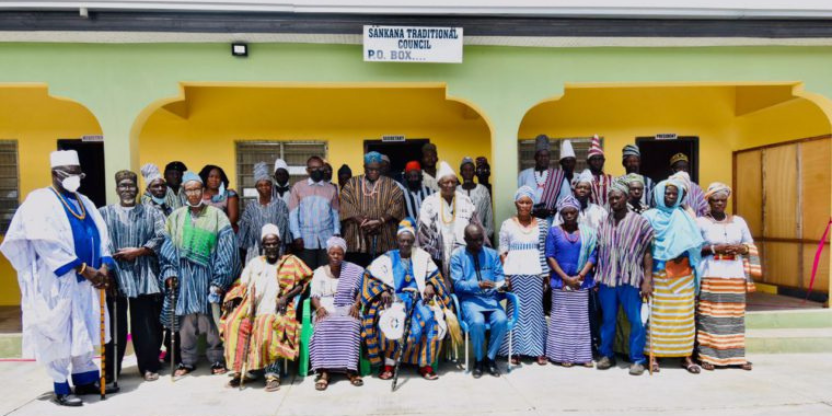
Sankana is rich with nature, history, and sacred tradition:
The Sankana Slave Caves – historical resistance sites
Giant Rock Formations – iconic climbing and photography zones
Sankana Dam – local fishing, irrigation, and bird-watching spot
Shrines & Sacred Groves – spiritual spaces led by the Tendaana (ask before entry)
Chief’s Palace – seat of traditional authority
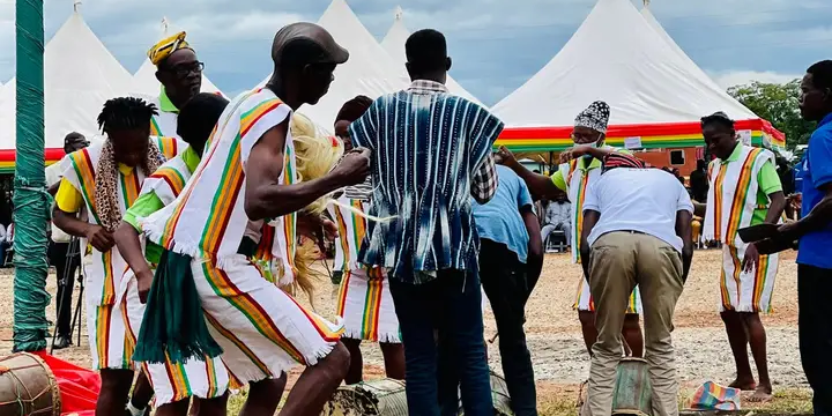
Kalibi Festival Grounds – vibrant site every April for music, dance, and cultural reenactments
Local guides are available for storytelling tours and heritage walks.
.
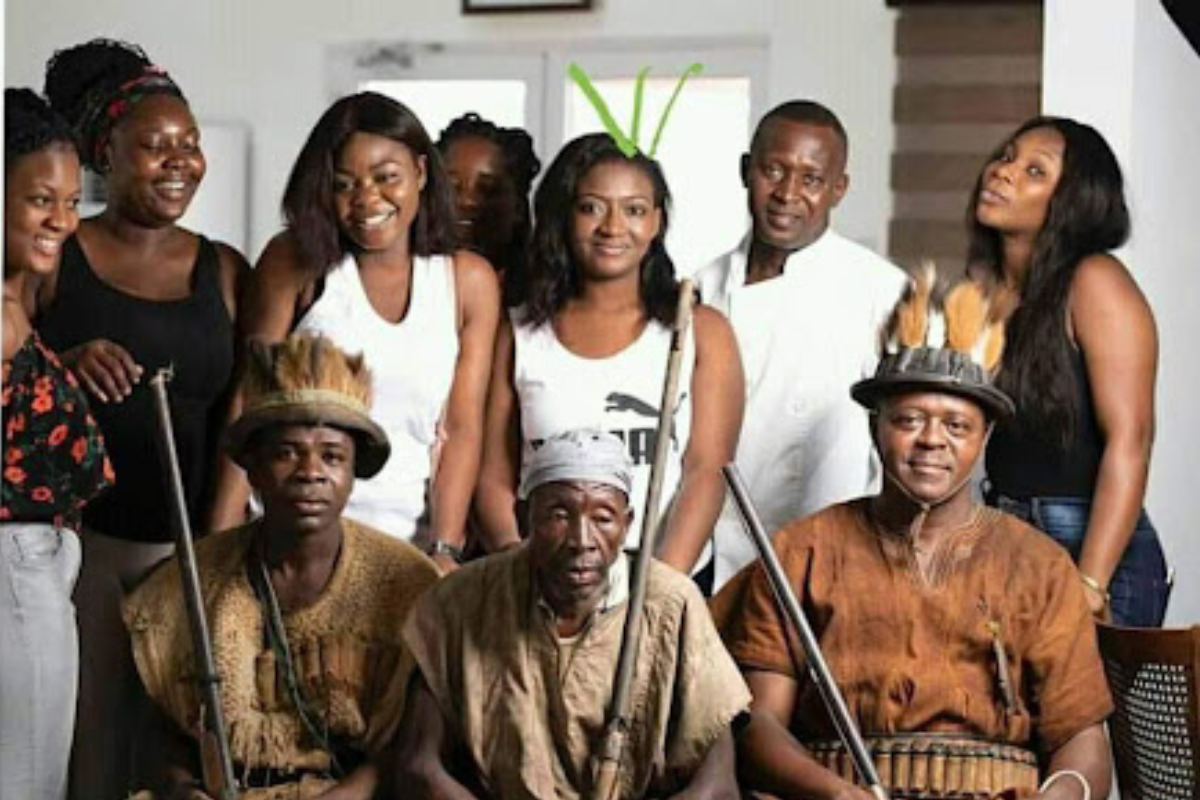
| Name | Meaning / Translation | When/Why It’s Given | Gender | Cultural Notes |
|---|---|---|---|---|
| Der | Gift of God / Divine blessing | Often given to children seen as miraculous or after a long wait | Unisex | Common among first-time parents or after spiritual rituals |
| Ziemah | Born during hardship or ancestral guidance | Given when birth circumstances are difficult, or seen as spiritually guided | Male | Deeply respected; associated with resilience |
| Nahwie | Rain-born | Given when a child is born during or after significant rain | Female | Rain signifies abundance and fertility |
| Banuwie | First child | Denotes the firstborn in a family | Female | Used to signify lineage continuation |
| Kunle | Warrior / Defender | Given to boys born during conflict or with a protective calling | Male | Name carries leadership or ancestral warrior spirit |
| Wumpini | God has answered prayers | Often given after repeated miscarriages, infertility or illness | Unisex | Signifies divine intervention |
| Banzie | Born after twins | Indicates a unique order of birth | Unisex | Culturally unique—often treated with symbolic rituals |
| Deribaa | God’s gift has come | Similar to Der, but with a poetic emphasis | Male/Female | Popular name in rural areas of Sankana |
| Nyagwine | One who brings joy | A joyful or unexpected child | Female | A celebratory name—used widely during festival births |
| Koole | Silent or calm spirit | A quiet child or one born under mysterious or calm circumstances | Male | Often believed to carry deep ancestral traits |
| Kunang | Born at dawn | Given to babies born early in the morning | Male/Female | Connects the child to new beginnings and leadership |
| Sampoa | Purity or peace-bearer | Used when a child is expected to restore peace or heal rifts in family | Unisex | Common in reconciliation-related family contexts |
| Gbingbinga | Born during famine or scarcity | A child born when the community is struggling | Male/Female | Symbol of hope and endurance |
| Wulo | Light or clarity | Child born after spiritual cleansing or restoration | Unisex | Sometimes associated with destiny or prophetic gifts |
| Kpare | Born under sacred tree or near shrine | Sacred name linked to location of birth | Male | Must be blessed by the Tendaana or clan elder |
| Saana Nkanaa | “The hardened Song people” | Clan name evolved into “Sankana,” from Dagaaba resistance chants | Communal Name | Reflects historic pride, bravery, and identity |
.
Ask locals what their names mean—this builds powerful cultural bridges.
Name meanings often connect to stories, seasons, or spiritual signs.
During festivals, naming is performed publicly, with libation, blessings, and community witness.
If you’re staying long or being hosted, you may be given a local name—a mark of acceptance.
Bring a power adapter (UK 3-pin)
Download Google Translate Dagaare phrases (if available)
Learn how to say “Good morning” in Dagaare: Antire!
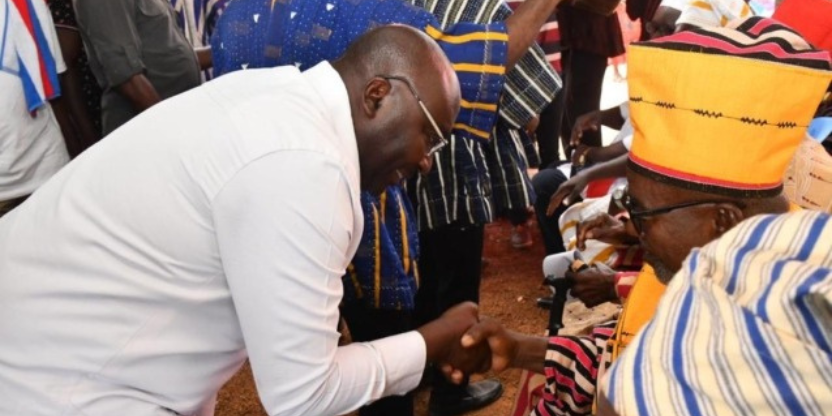
Respect elders—greet with a slight bow or two-hand handshake
Drink bottled water and eat where locals eat—always fresh, always full of love
