๐ฟ Nature & Ecotourism in Sankana
Explore the Wild Beauty, Sacred Stones, and Living Earth of Sankana
A Journey Into Rock, Water, and Wildlife
Sankana is a land shaped by volcanic rock, fed by sacred rivers, and protected by the brave souls who once resisted slavery from within its caves. The communityโs landscape is not just sceneryโit is story, survival, and spirituality. From sprawling rock formations to immersive caves, fruit-filled savannahs to a community-built irrigation dam, Sankana is a living canvas of Ghanaโs natural richness and resistance legacy.
This section highlights all major nature-based and eco-tourism attractions across Sankana. Each item listed below represents a unique visitor experience โ with deeper content coming soon under individual pages.
1
๐ Nature & Ecotourism Highlights in Sankana
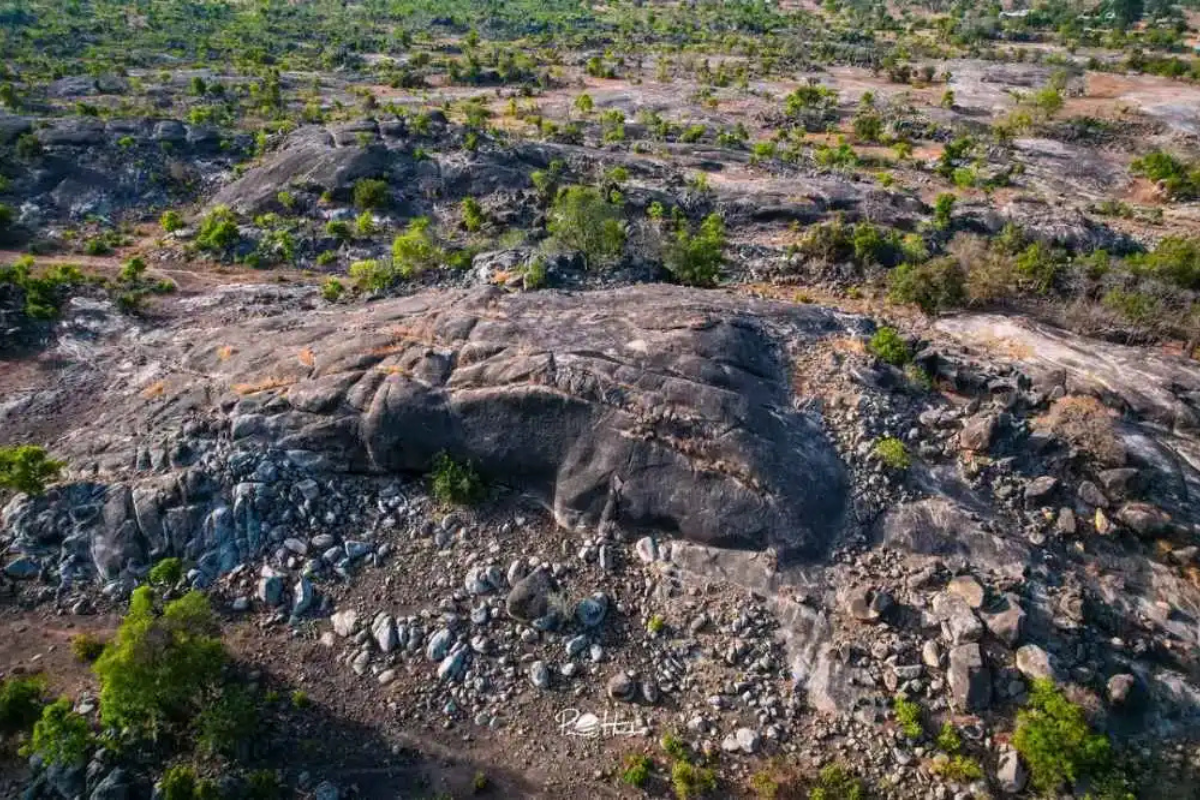
๐ชจ The Sankana Rock Formations
Description: Towering igneous rock outcrops spanning a 4 sq. km area.
Significance: Ancient, dramatic, and mystic. These formations are sacred and served as fortresses in slave resistance history.
Experience: Hiking, sunrise photography, spiritual storytelling, panoramic village views.
๐ณ๏ธ The Sankana Caves
Description: A network of ancient caves located within the rock formations.
Historical Use: Served as bunkers, hideouts, and military vantage points during slave raids in the 1800s.
Activities: Guided cave tours, battle reenactments, oral history sessions by elders.
Unique Feature: Cave pathways link strategic defense points across the village.
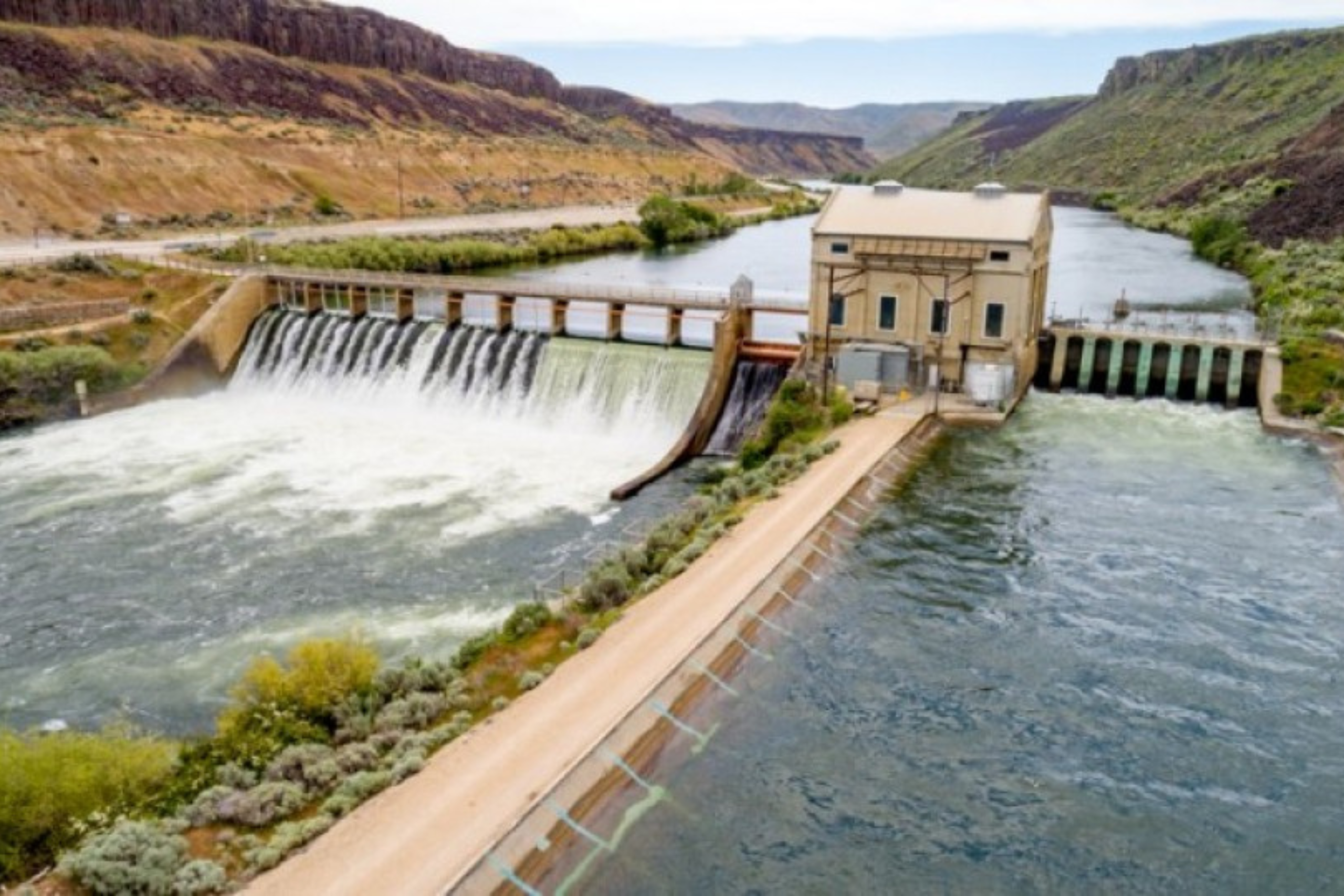
๐ The Sankana Irrigation Dam
Description: A community-constructed dam that supports year-round farming and fishing.
Use: Irrigation, aquaculture, fishing, and dry-season gardening.
Visitor Perks: Bird-watching, local fishing experiences, eco-learning with farmers.
Interesting Fact: Fed by nine impounded rivers, the dam maintains continuous water flow all year.
๐ณ Wild Tropical Fruit Groves
Description: Sankana is blessed with wild and exotic tropical fruits, found naturally across village peripheries and forest groves.
Varieties:
Zumprinhi (red berries)
Haara (black berries)
Mango, cashew, shea, baobab, dawadawa
Eco-Experience: Visitors can forage with locals, learn about food preservation, or harvest during market days.
๐พ Guinea Savannah Flora & Trees
Dominant Species: Shea, neem, baobab, kapok, teak, acacia, moringa, mango, and dawadawa.
Why It Matters: These trees support natural medicine, food, shade, and economic empowerment for locals.
Suggested Activity: Tree trail walks with traditional herbalists or local botanists.
๐ฅ Savannah Fire Ecology Experience
Concept: During dry seasons, Sankanaโs grasslands become highly inflammable. However, locals have adapted traditional fire management methods to protect crops and forests.
Tour Angle: Learn indigenous fire ecology, climate resilience strategies, and local conservation rituals.
๐๏ธ Sacred Landscape Tours
Spiritual Landmarks: Shrines located within rocks, sacred groves, and battle sites.
Role: Places for libation, ritual, ancestral communication, and cleansing rites.
Experience: Guided spiritual walk with cultural custodians (Tendaana or Shrine keepers).
๐ Fishing with Locals
Where: Sankana Dam and seasonal ponds
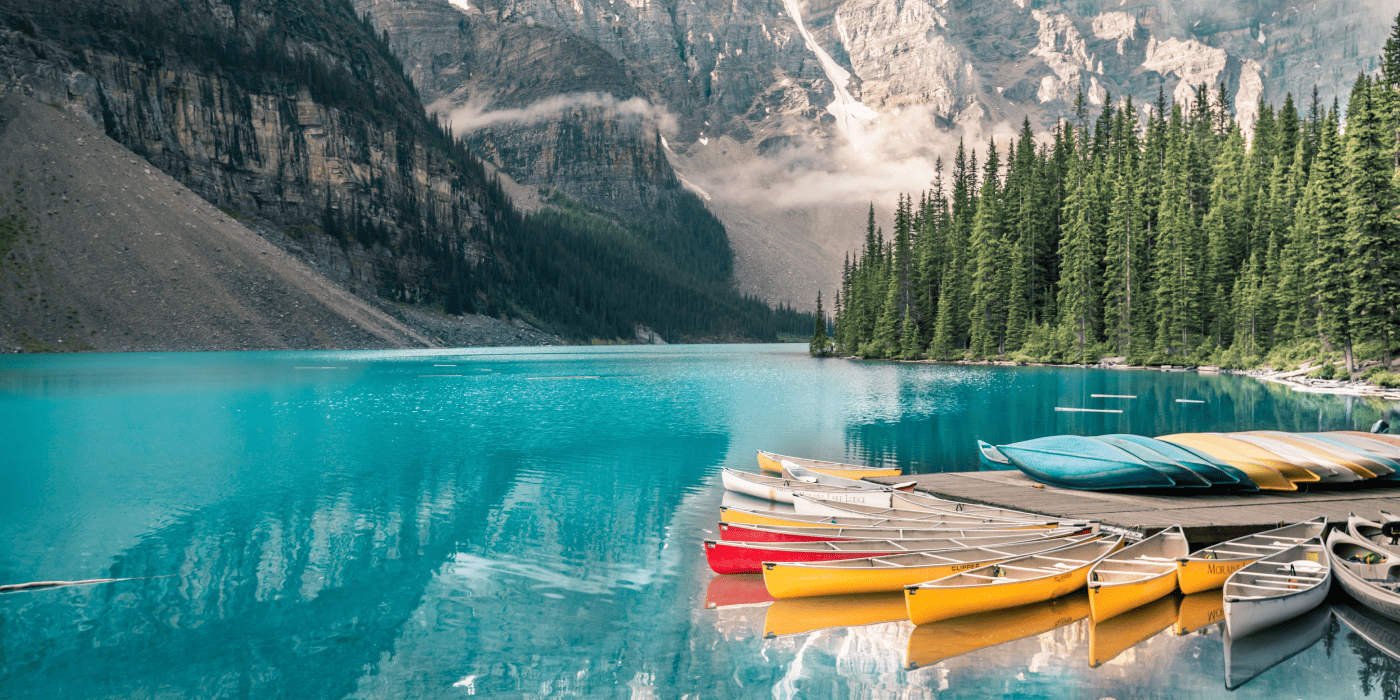
Activity: Paddle out on wooden canoes, learn net casting, and enjoy fresh catch meals cooked the traditional way.
Sustainable Angle: Experience local eco-friendly fishery practices.
More Central Bali activities
Royal Palm Beachcomber Special
VIP Private Tour Giza Pyramids, Sphinx , Camel Ride and Quad Bike
2
Visitor Experience Tips
Best Time to Visit: November to May (for clear skies and festival crossover)
Suggested Gear: Sturdy shoes, water bottles, sunhats, insect repellent, light breathable clothing
Local Guides: Trained community storytellers, shrine caretakers, herbalists, and youth tour groups
Donโt Be Told Experience Sankana
Tour Guide
Travel hassle-free within Bali,visit popular
attractions, or do water activities!
Invest In Sankana
Discover the wonders that lie outside the walls of Da
Nang with these exciting tours of surrounding areas