
Cultural Life
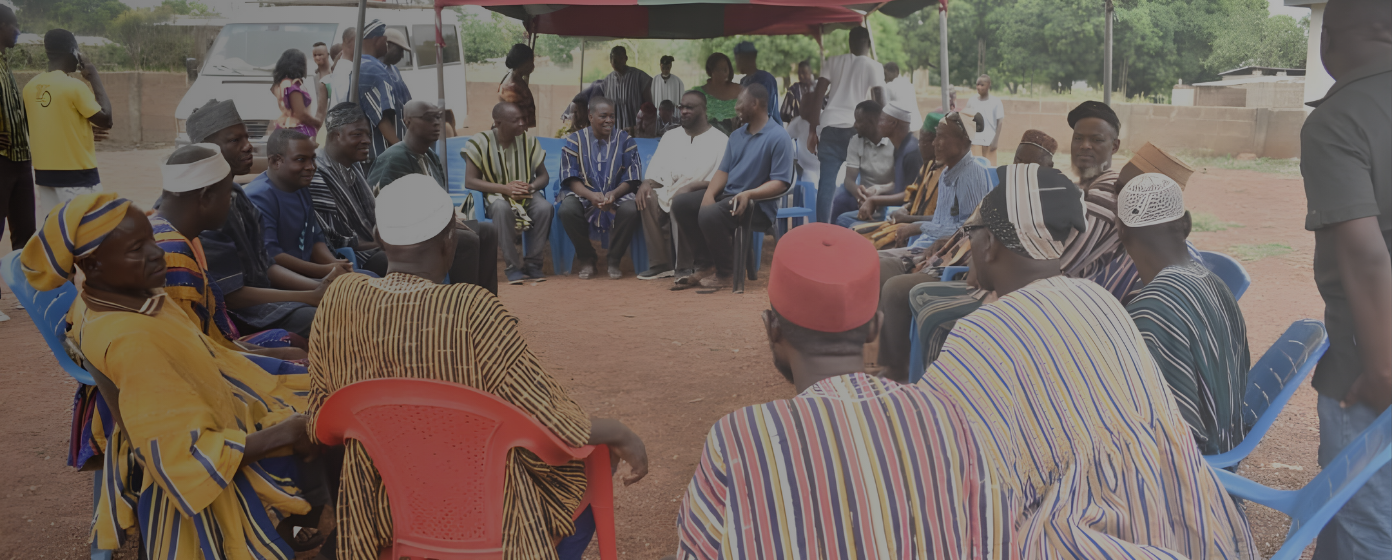
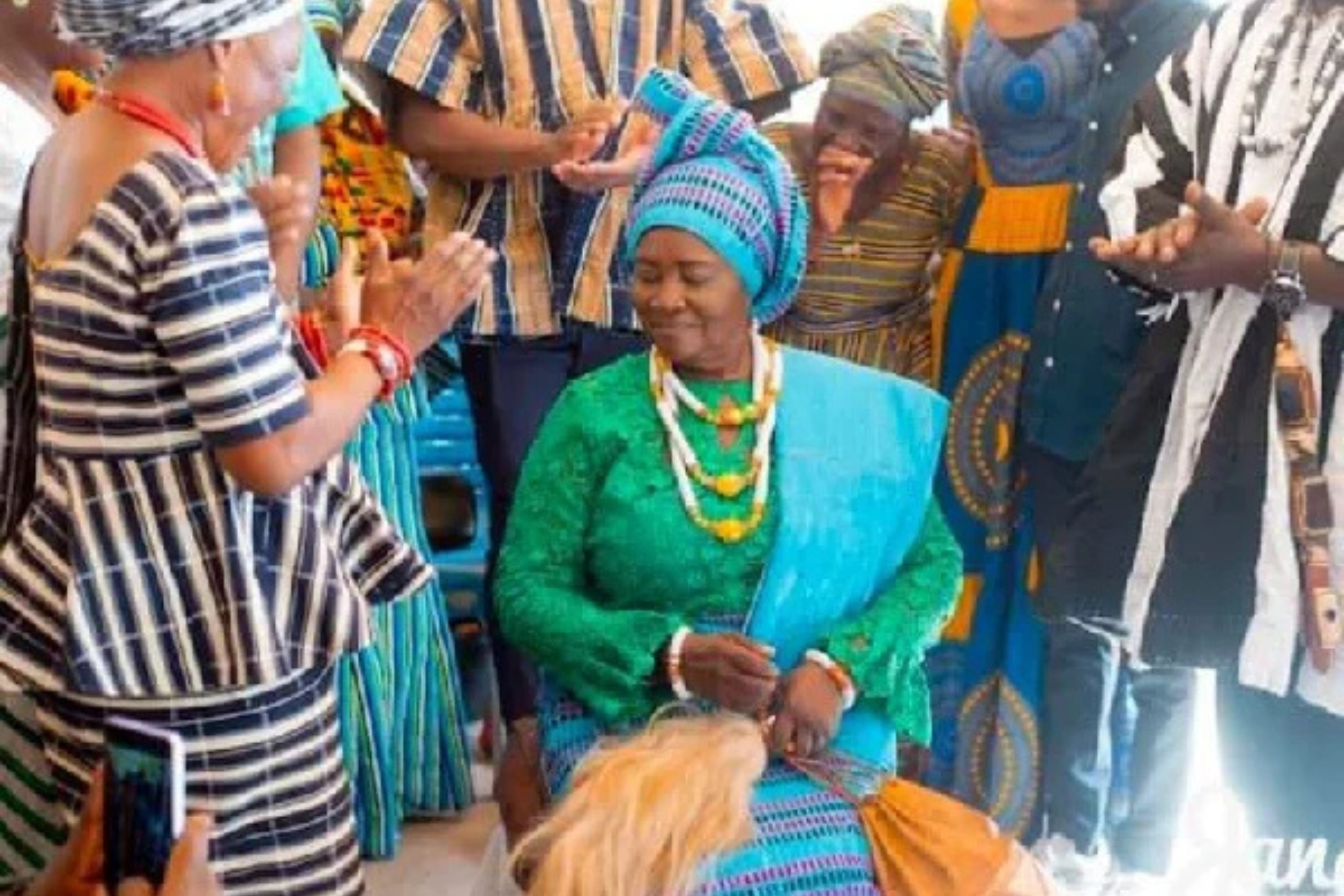
Sankana’s culture is not stored in museums—it is lived, danced, brewed, carved, and told through song. From ancestral rituals to daily farming practices, the people of Sankana live in rhythm with the land and in harmony with traditions that span centuries. These cultural threads are visible in every naming ceremony, smock stitch, pito calabash, and even in the way elders pass down oral history beside sacred caves.
Sankana culture is a fusion of ancestral Dagaaba heritage, spiritual syncretism, and practical art—making it an experience, not just an identity.
Every act marriage, farming, carving, dance is soaked in symbolism. Dances like Dugu, Bawaa, and Dumba carry spiritual meaning, while elders pass down history in folktale under moonlight. Pottery, woodwork, and shea processing are both art and survival, and every 6th-day market is a tapestry of tradition and trade. Belief systems layer Christian, Islamic, and ancestral ways, uniting Sankana in spiritual balance.
1
🔑 Key Cultural Expressions
🧺 Market Life
Every sixth day, Sankana’s local market buzzes with life. Here, culture meets commerce as farmers, artisans, and traders gather. You’ll find shea butter, handmade calabashes, local spices, and wild fruits—sold in the open by storytellers in conversation, elders in smocks, and children learning the rhythm of trade.
🍻 Communal Brewing & Feasting
The art of pito brewing—a fermented millet beer—is as much a social act as it is culinary. Women gather to brew, sing, and share news, while the community comes together for its enjoyment during ceremonies and ordinary evenings.
👨👩👧 Naming & Marriage Ceremonies
These are elaborate, multi-day rituals involving prayers, music, symbolic gifts, and food sharing. Names are chosen with meaning, passed from ancestors or reflecting dreams, events, and blessings. Marriages unite families beyond the couple—formalizing ties, affirming ancestry, and invoking spiritual protection.
More Central Bali activities
Royal Palm Beachcomber Special
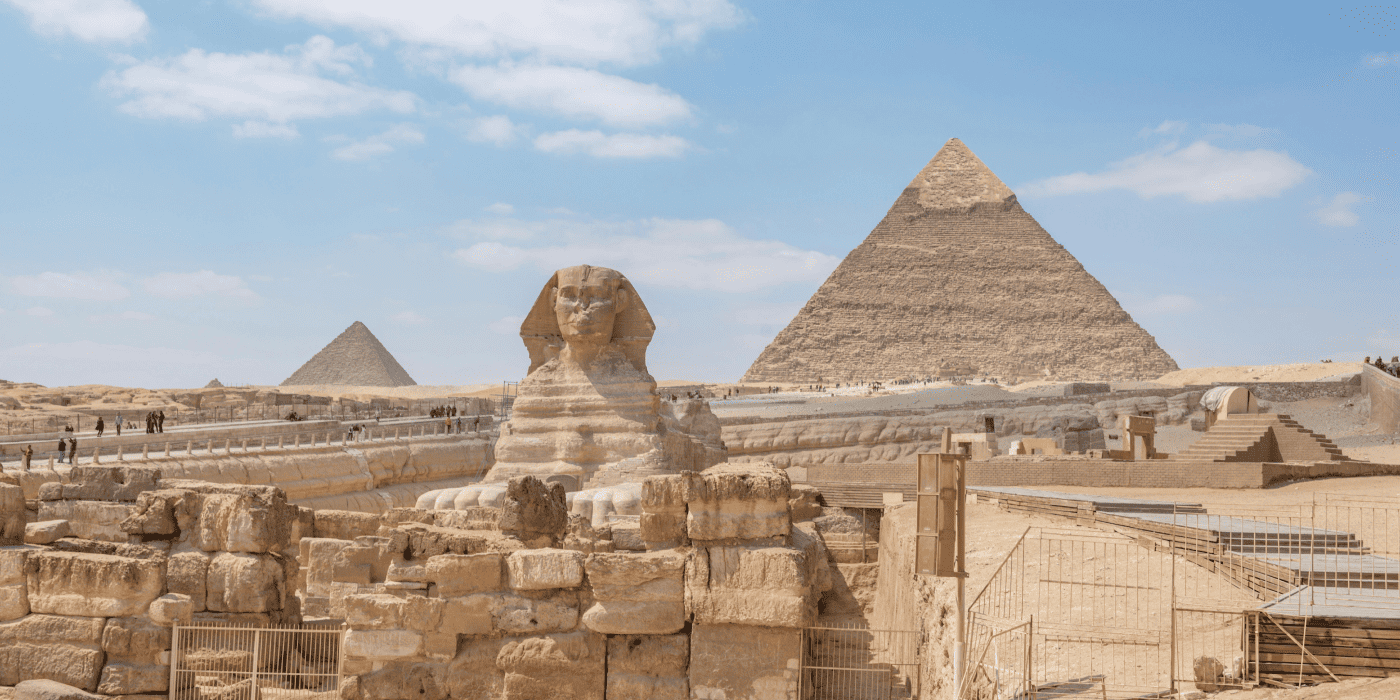
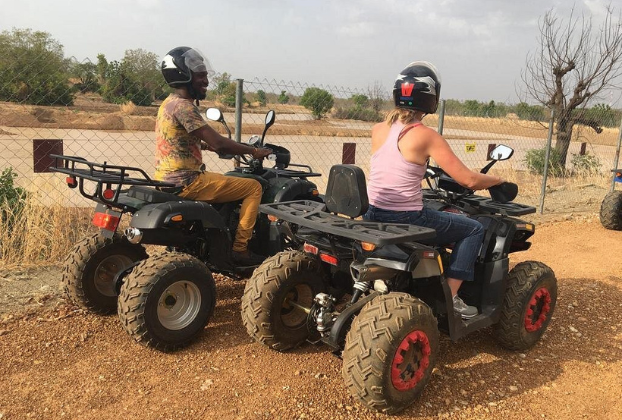
VIP Private Tour Giza Pyramids, Sphinx , Camel Ride and Quad Bike
2
💃 Sankana’s Signature Dances & Music
| Dance Name | Purpose / Meaning | Occasions Performed |
|---|---|---|
| Dugu | Funeral ritual dance – to honour the departed | Funerals, ancestral remembrance |
| Bawaa | Social and spiritual celebration dance | Festivals, communal joy |
| Dumba | Youth and royal performance | Naming ceremonies, palace occasions |
Instruments used:
Xylophones (locally crafted)
Calabash drums
Cowbells and ankle shakers
These rhythms are passed down orally and through apprenticeship — you’ll often find youth rehearsing under trees or in courtyards.
3
🎨 Traditional Arts & Crafts
Sankana’s material culture tells its story in fabric, wood, leather, and earth.
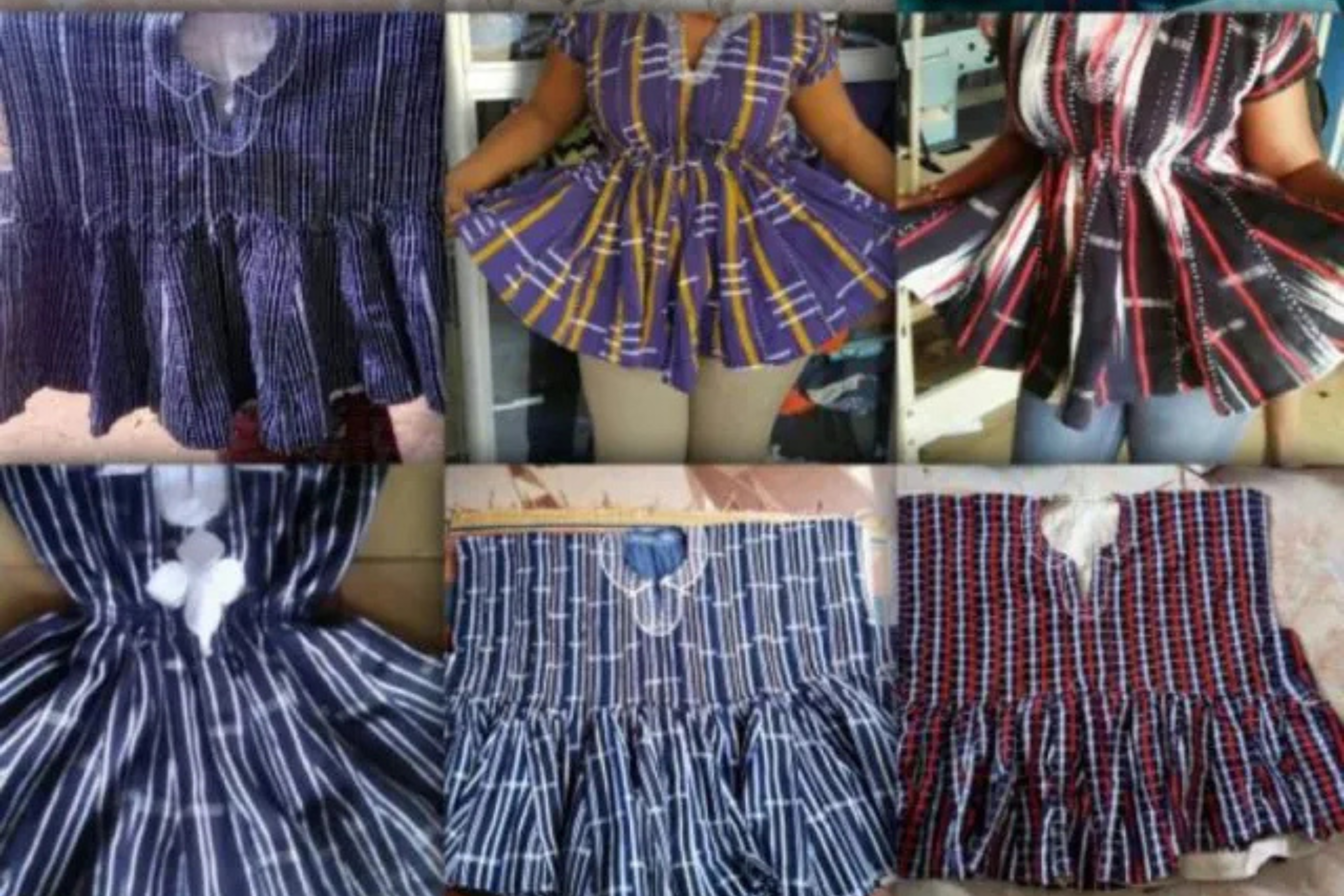
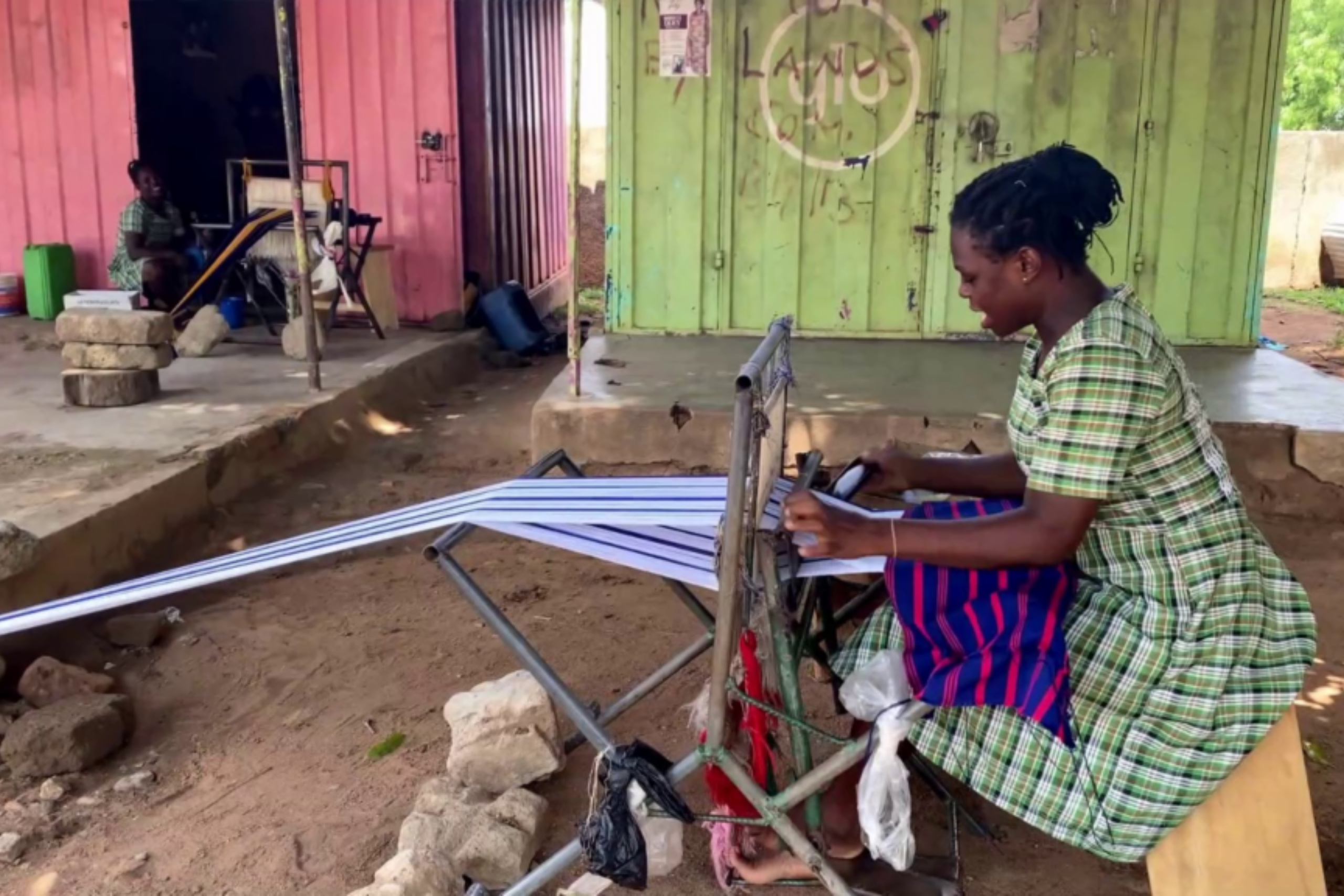
Smock Weaving: Strip-loom weaving passed through generations, worn in ceremonies and festivals.
Calabash Art: Gourds are etched and dyed for food storage, drink serving, and spiritual use.
Wood-Carving: From stools to drums and symbolic masks, local carvers keep Dagaaba mythology alive.
Leather & Grasswork: Handcrafted sandals, fans, mats, and wallets—sold in local markets or by roadside artisans.
Pottery: Clay pots made and fired locally, used for cooking, rituals, and brewing.
🧠 Wisdom & Oral Heritage
Folktales & Proverbs: Told by firelight or at moonrise, Sankana’s stories teach morals, explain origins, and encode survival.
Songs of Praise & Resistance: Passed down to honor warriors, farmers, and protectors of the land.
Symbolic Naming: Names such as Der, Kunle, Ziemah often carry deep spiritual or historical meanings.
Don’t Be Told Experience Sankana
Tour Guide
Travel hassle-free within Bali,visit popular
attractions, or do water activities!
Invest In Sankana
Discover the wonders that lie outside the walls of Da
Nang with these exciting tours of surrounding areas